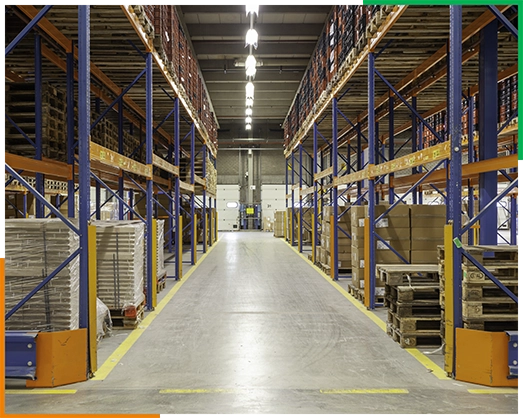
Maximizing Productivity: The Way Free Trade Warehousing Areas Revolutionize Logistics Networks


the modern global economy, businesses are continuously seeking new ways to enhance their supply chain efficiency and reduce operational costs. One of the most revolutionary solutions to emerge in the past years is the Free Trade Warehousing Zone. These zones offer a unique blend of strategic advantages, making them an attractive option for importers, exporters, and e-commerce businesses alike. By providing a regulated space where goods can be stored, sorted, and redistributed without the immediate burden of customs duties, Free Trade Warehousing Zones are changing the way companies approach international trade and logistics.
As more businesses recognize the myriad benefits of establishing themselves in these specialized zones, understanding the intricacies of Free Trade Warehousing is essential. From tax advantages and logistics solutions to compliance with international regulations, there is much to uncover about how these zones operate. This guide will serve as a comprehensive business guide, looking into key features, investment opportunities, and real-life success stories that illustrate the profound impact of Free Trade Warehousing Zones on supply chains. Whether you are a seasoned trader or a newcomer to the global market, this insight will empower you to leverage these zones for maximum efficiency and growth.
Benefits of Free Trade Warehousing Zones
Trade Warehousing Zones grant significant advantages for companies aiming to improve their supply chain operations. One of the key benefits is savings on expenses. Companies can store and handle their goods excluding the burden of tariffs and taxes until the merchandise is moved into the domestic market. This deferral in taxation enables businesses to enhance their cash flow, facilitating them to allocate in operations more readily.
Another critical benefit is enhanced flexibility. Free Trade Warehousing Zones provide businesses the ability to consolidate goods from multiple suppliers, oversee inventory levels better, and react more swiftly to changing market demands. This responsiveness is especially advantageous for e-commerce businesses, which rely on quick delivery and customer satisfaction. The ability to store goods excluding the instant cost implications of tariffs makes these zones particularly attractive for businesses engaged in global commerce.
Furthermore, Free Trade Warehousing Zones can promote increased competitiveness by allowing businesses to access global markets more effectively. Companies operating within these zones gain advantages from efficient customs procedures and regulations, making it more manageable to bring in and export goods. This not only simplifies the logistics involved in cross-border commerce but also enhances the growth of companies by giving them access to wider markets and investment opportunities, ultimately enhancing their market presence and profitability.
Supply Chain Management and Operational Efficiency Efficiencies
Free Trade Warehousing Zones play a vital role in boosting logistics and operational efficiencies for organizations participating in international trade. By delivering a variety of supply chain services, these zones minimize hold-ups and optimize supply chain processes. Companies can warehouse goods without facing immediate costs of import taxes, allowing for improved inventory management and minimized storage costs. This efficiency translates to quicker turnaround times, permitting businesses to respond more swiftly to market demands.
Furthermore, the advantageous location of FTWZs often provides access to key transportation networks such as aviation terminals, seaports, and freeways. This connectivity allows for easier access to global markets, thus facilitating more rapid distribution of goods. https://hedge.fachschaft.informatik.uni-kl.de/s/Dt0h_ueeH working within these zones can take advantage of integrated logistics solutions, which often consist of customs clearance, warehousing, and transportation services integrated into a single service. This integration helps companies operate with greater efficiency by lessening the complexity and time associated with moving products across borders.
Putting resources into a Free Trade Warehousing Zone can also lead to considerable operational cost reductions. By lowering free trade warehousing zone for extensive logistics operations and optimizing supply chain routes, companies can distribute resources more effectively. The tax advantages and streamlined compliance requirements further enhance the operational feasibility of conducting business in FTWZs, allowing organizations to concentrate on their core competencies while maximizing profitability. As a result, businesses not only enhance their operational efficiencies but also elevate their competitive edge in the global marketplace.
Adherence and Legal Structure
Operating within a FTWZ requires businesses to follow certain compliance and legal requirements that are set by the relevant authorities. These regulations are intended to facilitate commerce while ensuring that all activities within the zone are in accordance with local and global laws. Companies must ensure proper documentation and report of import/export activities, as well as comply with safety & performance standards set by regulatory bodies.
Companies in an FTWZ environment must also navigate customs regulations regulations. Although goods can be kept, manipulated, and processed without the immediate duty payment, it is crucial to maintain accurate documentation and inform any changes to customs officials. This includes tracking inventory levels, managing the movement of goods, and ensuring the timely clearance of products when they are eventually imported into the local market or shipped to other countries. Failure to follow these customs procedures can result in significant fines and charges.
Finally, working with local legal and compliance experts can be advantageous for businesses looking to maximize their performance within a Free Trade Warehousing Zone. These experts can provide insights into the latest regulatory changes, help navigate the compliance requirements, and ensure that businesses are fully aware about their obligations. In a rapidly evolving global trade environment, staying compliant is not only a requirement but also a strategic benefit.