Unlocking Economic Opportunities: The Benefits of Free Trade Warehousing Zones


In today's quickly changing global economy, organizations are constantly pursuing innovative ways to improve their operations and broaden their market reach. One notable opportunity lies in Free Trade Warehousing Areas, which serve as key centers for international trade. Such zones offer a distinctive blend of customs advantages, logistical efficiency, and fiscal advantages that can significantly enhance a business's functional abilities. For traders and e-commerce companies alike, comprehending the advantages of creating a base in a FTWZ can unlock tremendous market potential.
The idea of FTWZs is intended to facilitate global trade by granting businesses with streamlined access to international markets. By effectively integrating warehousing and trade, these zones allow companies to bring in goods, keep them without paying duties, and redistribute them as needed. This flexibility not only lowers operational costs but also enhances supply chain efficiency. As we delve deeper into the pros and characteristics of Free Trade Warehousing Zones, we will explore how they contrast to SEZs, the compliance requirements, and the investment opportunities they offer for organizations looking to thrive in the competitive landscape of international trade.
Benefits of Free Trade Warehousing Zones
Free trade zones offer substantial advantages for businesses looking to boost their operational efficiency and lower costs. One of the key benefits is the elimination or diminution of customs duties and taxes on goods brought in from abroad. By keeping products in these zones, organizations can delay customs duties until products are delivered to the domestic market, allowing for improved cash flow and financial flexibility. This beneficial tax environment fosters an attractive landscape for both local and international businesses seeking to enhance their profit margins.
Another important benefit lies in the improved logistics solutions provided within free trade warehousing zones. These zones are often strategically located near major transportation hubs, such as air terminals and seaports, which facilitates more rapid shipping and distribution of goods. As businesses increasingly rely on on-demand inventory systems, the ability to efficiently manage stock levels and distribution channels becomes crucial. Free trade warehousing zones typically boast cutting-edge warehousing infrastructure, providing state-of-the-art facilities and technology that improve storage and distribution processes.
Moreover, the regulatory environment in free trade warehousing zones is crafted to support international trade and investment. Companies operating in these zones enjoy easy customs procedures and reduced bureaucratic red tape, allowing for quicker processing times and reduced delays. This efficient approach to compliance and regulations not only speeds up supply chain operations but also enhances comprehensive competitiveness in the international market. As international trade continues to evolve, the tactical advantages offered by free trade warehousing zone s become increasingly valuable to businesses aiming to expand their reach and optimize growth potential.
Benefits of Free Trade Warehousing Zones
One of the main benefits of operating within a FTWZ is the substantial tax benefits it provides businesses. Businesses gain reduced duties on incoming goods and outgoing goods, allowing them to save on financial burdens associated with global commerce. Additionally, many countries extend tax incentives to businesses that launch operations in these areas, further enhancing financial performance. ftwz empower companies to invest more in their expansion and expansion, ultimately stimulating the local economy.
Adherence and regulations within FTWZs tend to be more simplified than conventional trading practices. The locations are designed to facilitate import/export processes, making it easier for businesses to receive products without the delay of complex customs hurdles. This smooth compliance process helps companies maintain a steady inventory movement, ensuring that operational timelines are met. Furthermore, many areas offer assistance with regulatory requirements, making it straightforward for firms to adhere to national regulations.
Creating operations in a Free Trade Warehousing Zone does require businesses to comply with specific standards and regulations, but these are often less onerous than in other environments. Firms must stay updated about changes in negotiated agreements and domestic rules, ensuring that they consistently meet legal standards. By doing so, they not only maintain their operational advantages but also establish a brand image for dependability and adherence to laws, paving the way for future achievements.
Supply Chain Management and Functional Effectiveness
Streamlined logistics is a foundation of successful operations within a Free Trade Warehousing Zone. Companies benefit from enhanced supply chain processes that limit wait times and reduce transportation times. By locating themselves in these zones, companies can effectively manage inventory levels, improve storage solutions, and expedite more rapid distribution to international markets. This operational agility allows businesses to respond quickly to market demands, boosting their market position.
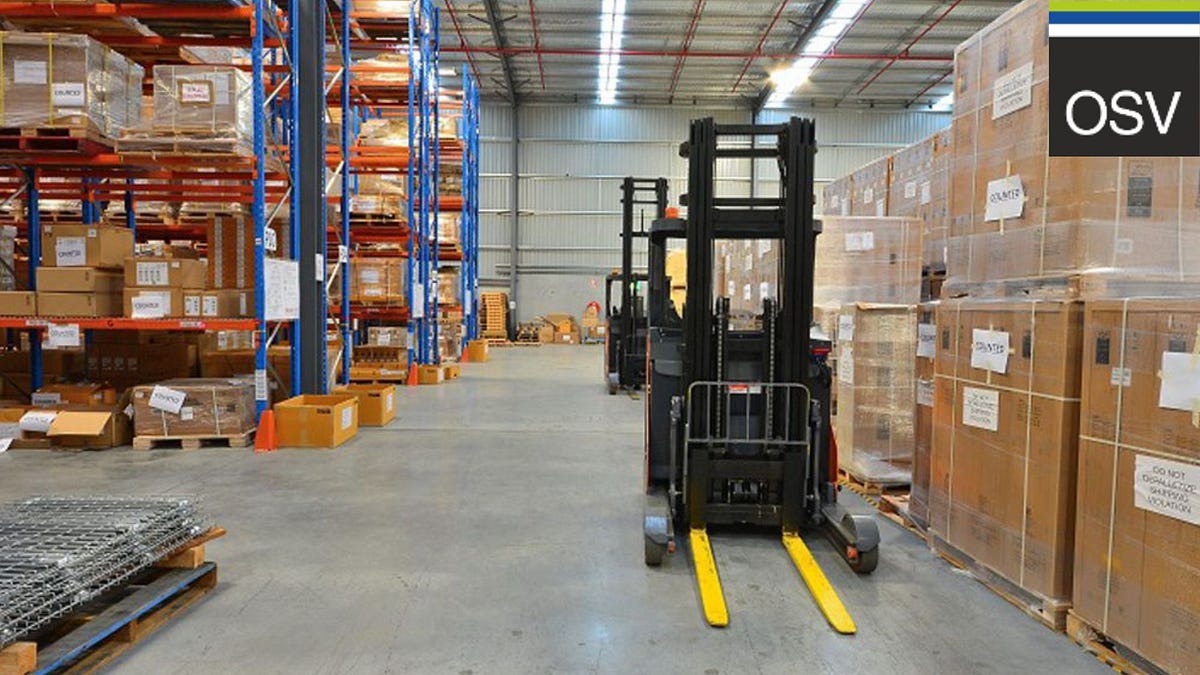
The facilities designed within Free Trade Warehousing Zones is tailored to support advanced logistics solutions. Features such as cutting-edge storage facilities, integrated transportation networks, and proximity to major ports significantly boost operational capabilities. These zones provide essential services such as customs clearance, which streamlines compliance and speeding up goods movement. As a consequence, businesses can enjoy seamless import and export operations, significantly enhancing their efficiency.
Moreover, the economic advantages associated with operating in a Free Trade Warehousing Zone contribute to overall operational efficiency. By taking advantage of tax benefits and reduced tariffs, companies can reduce their overheads and allocate those savings into expanding their core operations. This cost-effective model not only promotes profitability but also attracts investment opportunities, further boosting the overall economic landscape of the locality.